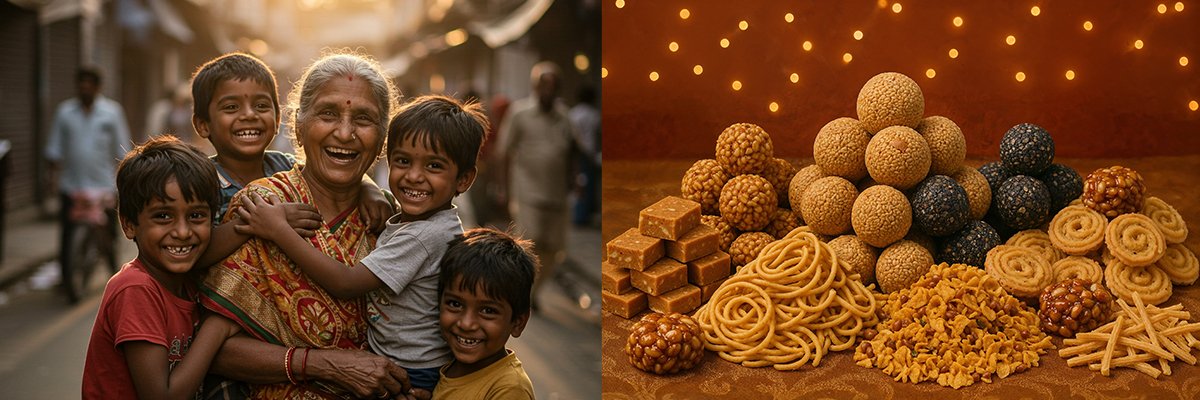
In South India, food has always been more than just something we eat — it’s something we share. Whether it’s a quiet evening at home or a festive gathering, South Indian snacks and filter coffee have always been at the centre of conversations, laughter, and connection.
The 80’s Generation – Simple, Homemade, and Shared
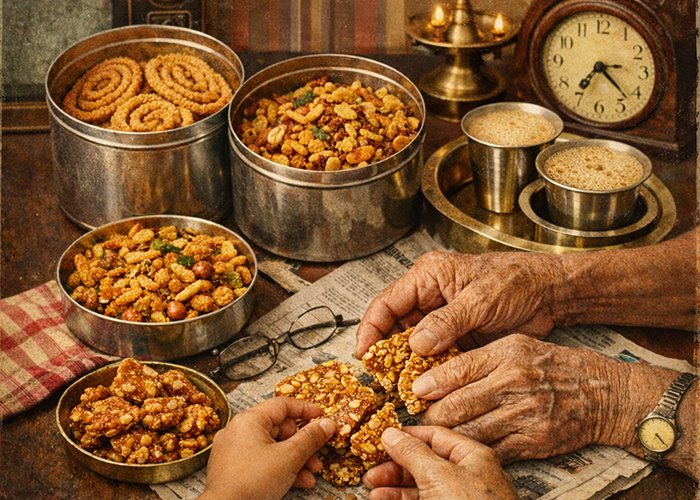
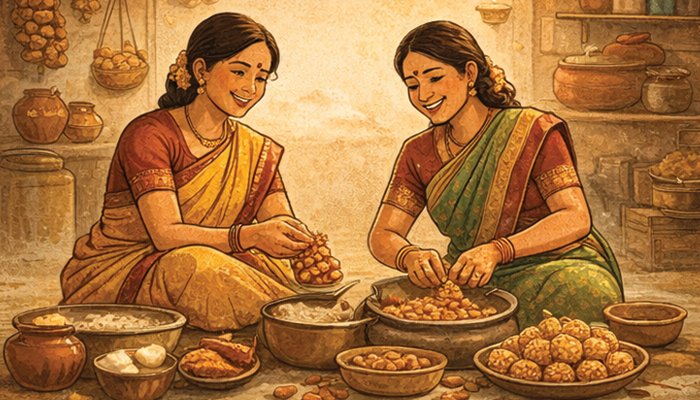
For the 80’s generation, snacks were never store-bought luxuries — they were homemade rituals.
Evenings meant:
- Freshly made Murukku stored in steel dabbas
- Crunchy mixtures prepared in bulk for the week
- A hot tumbler of filter coffee shared with family
There were no “snacking options” — just what was made at home with care.
Chikki wasn’t just a sweet; it was something Ajja would break carefully, ensuring everyone got an equal share. Snacks were limited, but the joy was abundant.
The 90’s Kids – The Bridge Between Tradition and Treats
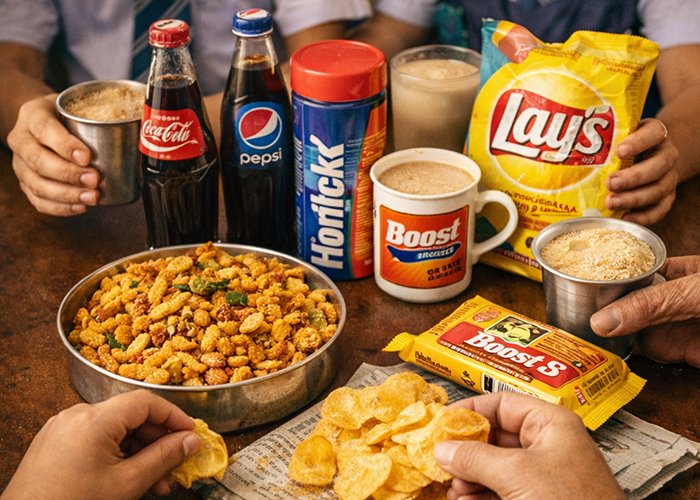
The 90’s generation saw the beginning of change. Snacks became a mix of:
- Homemade favourites like Kara Boondi and Madras Mixture
- Packaged chips and biscuits entering the scene
After-school cravings meant:
- A plate of mixture with tea
- Or sneaking in a packet of chips
Drinks also evolved:
- Filter coffee for adults
- Boost, Horlicks, and soft drinks for kids
The 2000’s Generation – Convenience Meets Cravings
Fast forward to today, and the 2000’s generation lives in a world of choices.
Snacks are now:
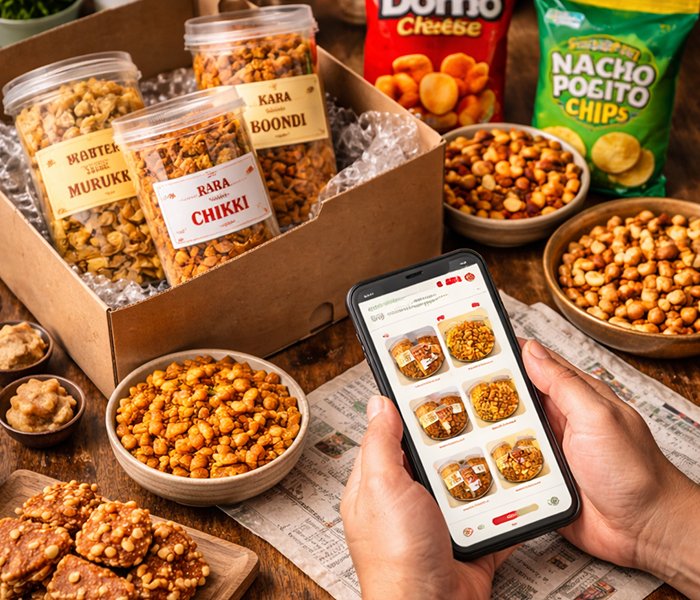
- Ordered online
- Available in multiple flavours
- Packaged for convenience
Yet, something interesting is happening. Despite global food trends,
there’s a strong return to:
- Authentic Mangalore snacks online
- Traditional items like Butter Murukku, Kara Boondi, and Chikki
Why?
Because people today are looking for comfort in familiarity.
As seen in modern food trends, gourmet and traditional snacks are gaining popularity because they create memories and experiences, not just consumption.
What South Indians Truly Love (Across Generations)
- Crunchy, savoury snacks like Murukku and Mixture
- Sweet indulgences like Chikki and Laddus
- The unbeatable combination of snacks + filter coffee
What has evolved is not taste — but access. From:
- Homemade kitchens (80’s)
- Local stores (90’s)
- Online platforms (2000’s)
The Return to Roots
- Authenticity
- Quality
- A connection to their roots
Because at the end of the day, a bite of Murukku or a piece of chikki still does the same thing it always did — It brings people together.
Conclusion
From steel dabba snacks in the 80’s to online orders today,
South India’s love for traditional snacks has only grown stronger.
The formats have changed.
The pace has changed.
But the feeling?
That remains timeless.